


Mayra Buvinic is Senior Advisor at Open Data Watch-Data2X and Senior Fellow Emeritus at the Center for Global Development. She is the leading ODW-Data2X advisor to implementing the "Time 4 Growth" Collaborative to better link time use data to economic policy.
Gender disaggregated data is a powerful tool to identify barriers and opportunities for steps towards gender equality. In the case of Chile, many women struggled to access banking and financial services, limiting their business opportunities and financial independence. Gender disaggregated data compiled by the government’s superintendency of banks led to the realization that women were an untapped customer base for banks, and that providing women with access to savings and credit was a key lever for economic inclusion. By designing financial services to better meet women’s needs, women entrepreneurs could grow their businesses and save, improving family wellbeing and helping to grow the economy. This is the difference that gender disaggregated data can make.
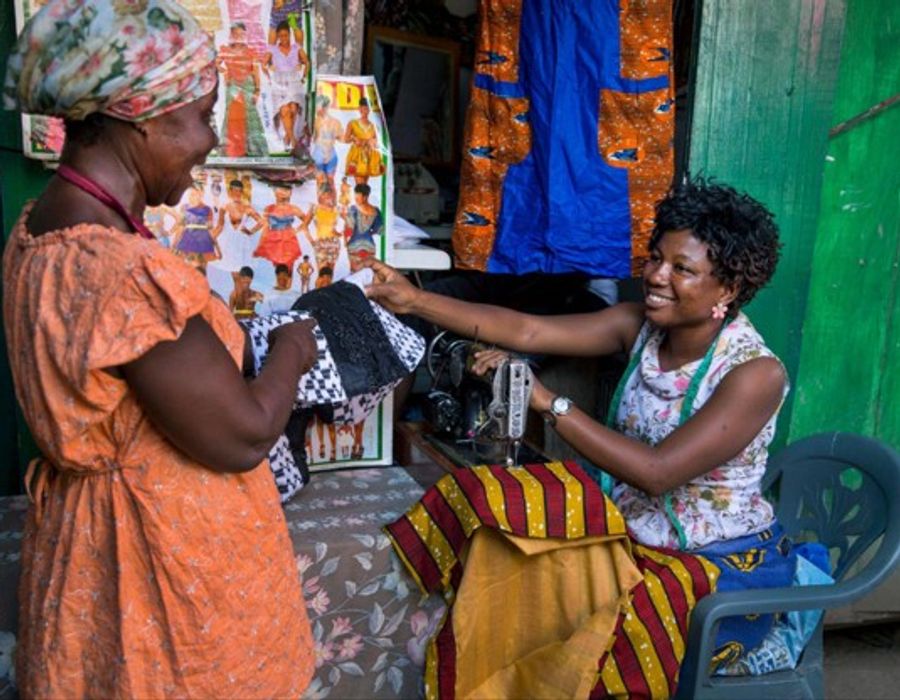
The work women do every day, especially unpaid work in the home and in the farm, has been largely invisible in official labor statistics, Mayra Buvinic argues and has documented through her research. “Labor statistics traditionally have captured formal sector work,” she says. “Gender statistics generally have misrepresented women as unproductive and overly dependent on men’s wages, rather than as individual economic agents.”
As a result, much of women's informal and unpaid work has often been overlooked, such as caregiving and household responsibilities, or growing and processing foods for their families. Buvinic shared, “Women will grow crops for their own use, but they will also sell a surplus in the market. Those kinds of activities rarely get counted.” Data is only valuable if it accurately captures women's experiences across different communities and sectors. Without reliable information, “breaking gender stereotypes is hard, it's even harder when you have bad data.” Poor data can lead governments and organizations to direct resources toward the wrong priorities while overlooking the challenges women actually face. Collecting more comprehensive data allows policymakers to fully understand women's economic contributions, identify gaps and develop more effective programs.
Time use surveys, which document how people spend their days, the daily activities they do, capture unpaid work that traditional labor surveys often miss. According to Buvinic, “They have already played a very important role [and have] become a part of countries’ statistical tools.”
Complete data aids in creating more effective policies. Although the collection of gender data has improved significantly over time, Buvinic said, “we are generating a lot more data on women and girls, but still it's not being used.” . When gender data is used effectively, it can lead to meaningful change. For instance, Kenya relied on time use survey data to help craft a National Care Policy which was adopted in 2025 to better the lives of individuals.
For Buvinic, improving data systems is far more than just collecting statistics; she explains that the “United Nations General Assembly and United Nations Statistical Commission now are coordinating an intergovernmental effort to go beyond measuring just GDP, and get broader measures of aggregate economic output and wellbeing.” Women’s unpaid work is an important contributor to these broader measures. Ultimately, she believes recognizing women's work through better statistics is the first step to “improve the lives of women and girls, particularly those that are poor, reduce inequalities, and make for better functioning societies.” Buvinic's work demonstrates that gender data is essential for making women's labor visible to create policies that promote greater economic equality.