


Youth unemployment remains a major barrier to economic mobility across Latin America, where many young people struggle to find stable, formal jobs after leaving school. In Colombia, Kuepa EduTech works to bridge the gap between education and employment through workforce training, employer partnerships, and career coaching.

Jorge Garcia launched Kuepa (www.kuepa.com) after recognizing a recurring problem in the Latin American education system. “Young people in Latin America were dropping out of traditional education systems. After years of understanding the problems, we realized that most of the time it was because people didn't see that the things they were studying were connected to the real world.” Employers also struggled to recruit young workers because many applicants lacked the technical and workplace skills needed for formal employment. “Companies and the labor market in general were having a lot of problems trying to engage these young people into their opportunities,” Garcia said. That realization led Kuepa to redesign education around employment opportunities.
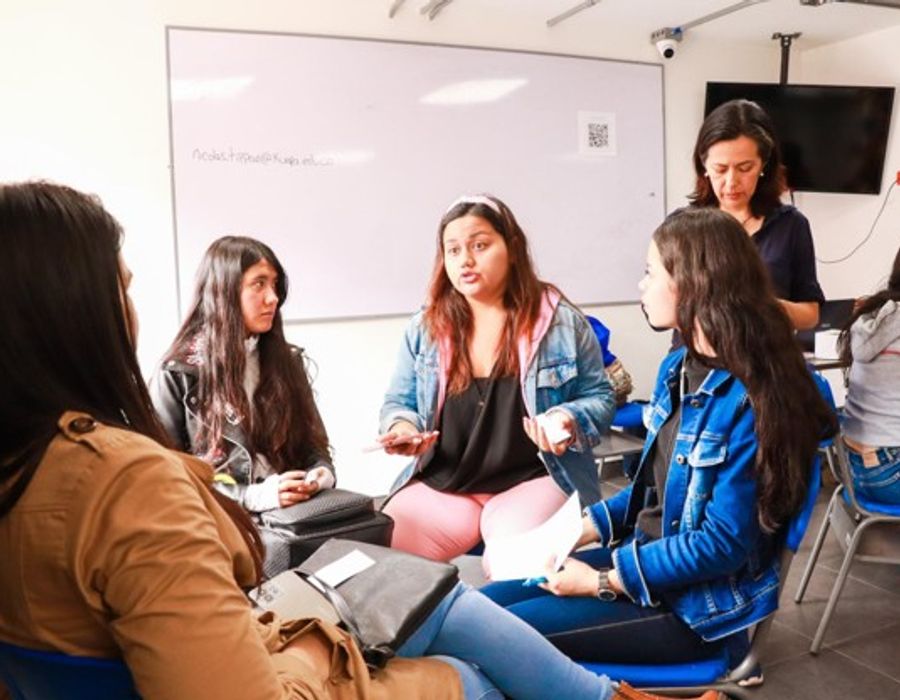
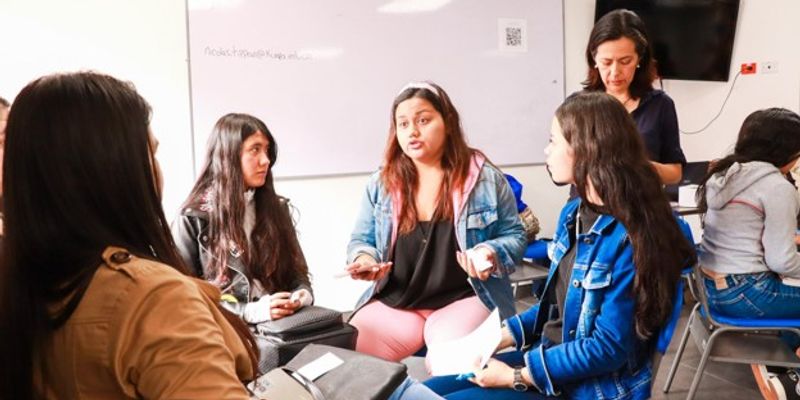
Many students who Kuepa have come from rural communities, where scarce job opportunities fuel school dropout rates. Participants have been out of school for extended periods and need support adjusting to academic expectations, so they receive mentorship and career coaching as soon as they enter the program. “This phase is very critical because you have young people that have left school so getting used to the dynamic of studying and understanding you actually need to do homework. That’s something that we provide coaching on.”
Some students also have limited experience with formal hiring processes, making interview preparation an important part of Kuepa’s support. “We try to provide the coaching for them to connect with the actual job. It's so human, all these mentorship and coaching skills. It's exactly the kind of thing that you really need a person to talk with you about. The best thing about being a technological company is that we are able to talk about human things all the time because technology is doing the rest,” Garcia said. Unlike many educational institutions, Kuepa found that “paid apprenticeships are the best way to get formal jobs for these young people” and remains consistently involved in helping students transition from education to the workforce.
"The best thing about being a technological company is that we are able to talk about human things all the time because technology is doing the rest."
Kuepa also offers specialized programs for refugees and migrants, people with disabilities, neurodivergent, mobility impairments, and deaf communities. “We are adapting our programs so we can present them to communities that are willing to use them,” Garcia said. The organization has seen success in the lives of students who have faced significant challenges at a young age, from eviction or challenges with drug use, to getting help and starting Kuepa workforce programs, and eventually becoming employed by major global companies.

To prepare students for the future of work, Kuepa moved beyond traditional classroom instruction by partnering with employers and focusing on emerging skills needed in the modern workforce. Garcia said that the curriculum focuses on technologies increasingly used across industries in “two main areas: first AI tools, how to create automatization and how to connect tools that are using AI robots and different programming systems. The second is data processing. We have been training our students how to understand the amount of data that is collected by these systems.” By combining technical instruction with hands-on experience, Kuepa has increased students' chances of finding formal employment after completing the program.
Kuepa’s involvement does not end when students complete the program. The organization continues working with graduates by connecting them with employers. “Most of the educational institutions don't want to get into labor intermediation, actually helping find a job for their students,” Garcia said. “We decided to change that and become a part of these connections with actual companies. We have more than 600 employers in Colombia that partner with us and employ our students.” Through these partnerships, Kuepa creates a direct pathway from education to employment and helps students transition into the formal workplace.
-----
Jorge L. García, CEO of Kuepa, is a passionate advocate for accessible and effective education. A physicist from the National University of Colombia, he has dedicated 15 years to creating technology-driven learning solutions that have empowered over half a million young people in Latin America. As an alumnus of the Leaders in Innovation Fellowship (LIF) of the Royal Academy of Engineering (UK) and Chair of its Colombia Country Chapter, Jorge is committed to driving innovation that transforms lives.