


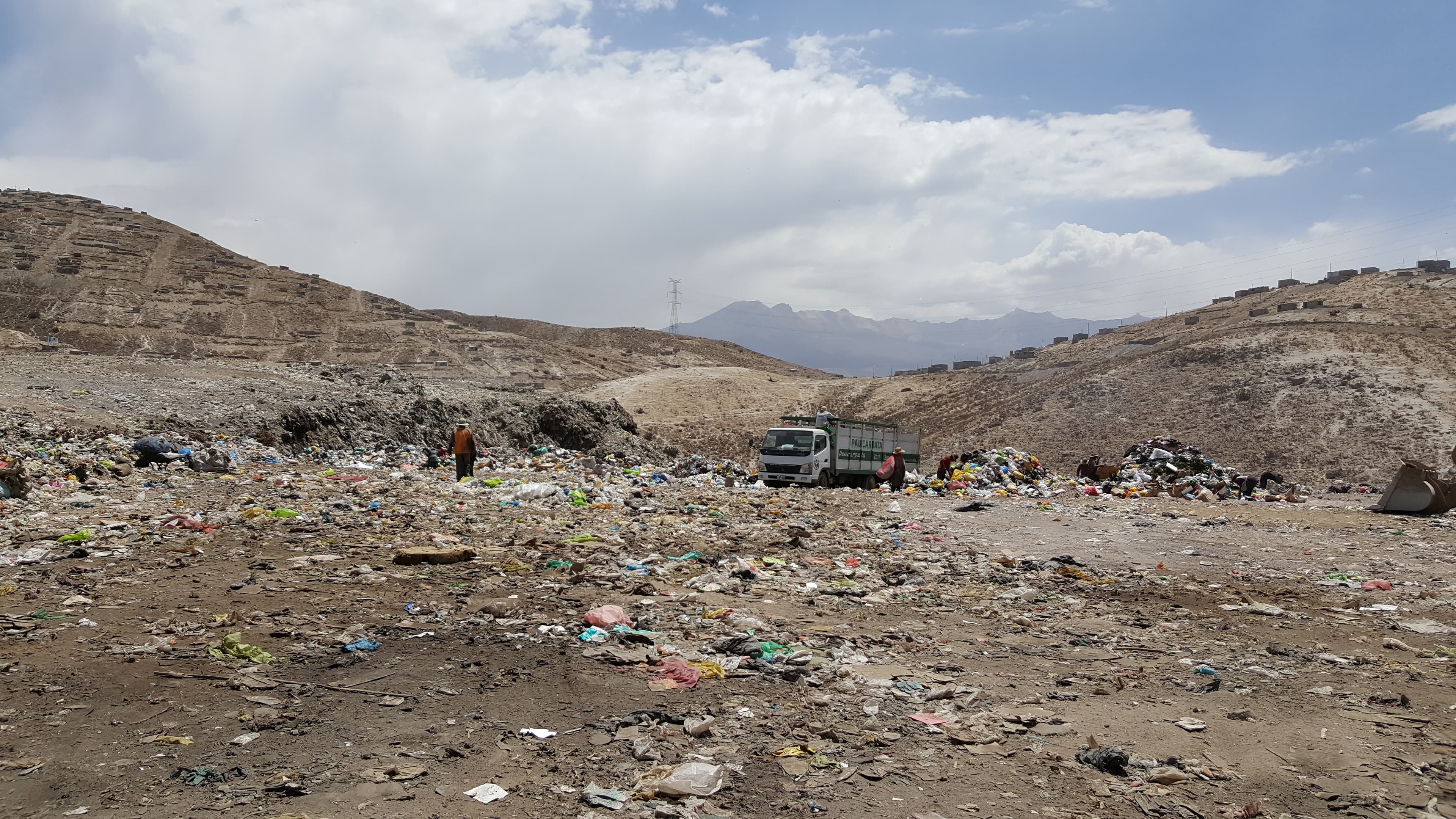
Climate Resilience
Building climate resilience is increasingly urgent to protect workers and sustain livelihoods in a changing environment.
Why this matters
Climate Resilience
Informal workers are on the frontlines of climate and environmental change, especially those in sectors directly connected to climate like small holder farmers and fishers. They are hit hardest by climate shocks, because they often lack protections like access to finance to protect or recover their business from floods or rains, or health care to treat impacts of extreme heat like rashes, nausea or fever. Strengthening workers’ capacity to adapt to climate shocks protects livelihoods and builds more stable communities. By elevating worker perspectives and grounding solutions in evidence, this thematic area informs policies and practices that respond to real climate-related challenges. Building resilience today safeguards both economic security and long-term sustainability.
Key figures
1.2B
jobs are dependent on a stable and healthy environment.
80%
of those displaced by climate change are women.
Resources
Related publications & data
Evidence, data, and publications linked to climate resilience.
Latest publications
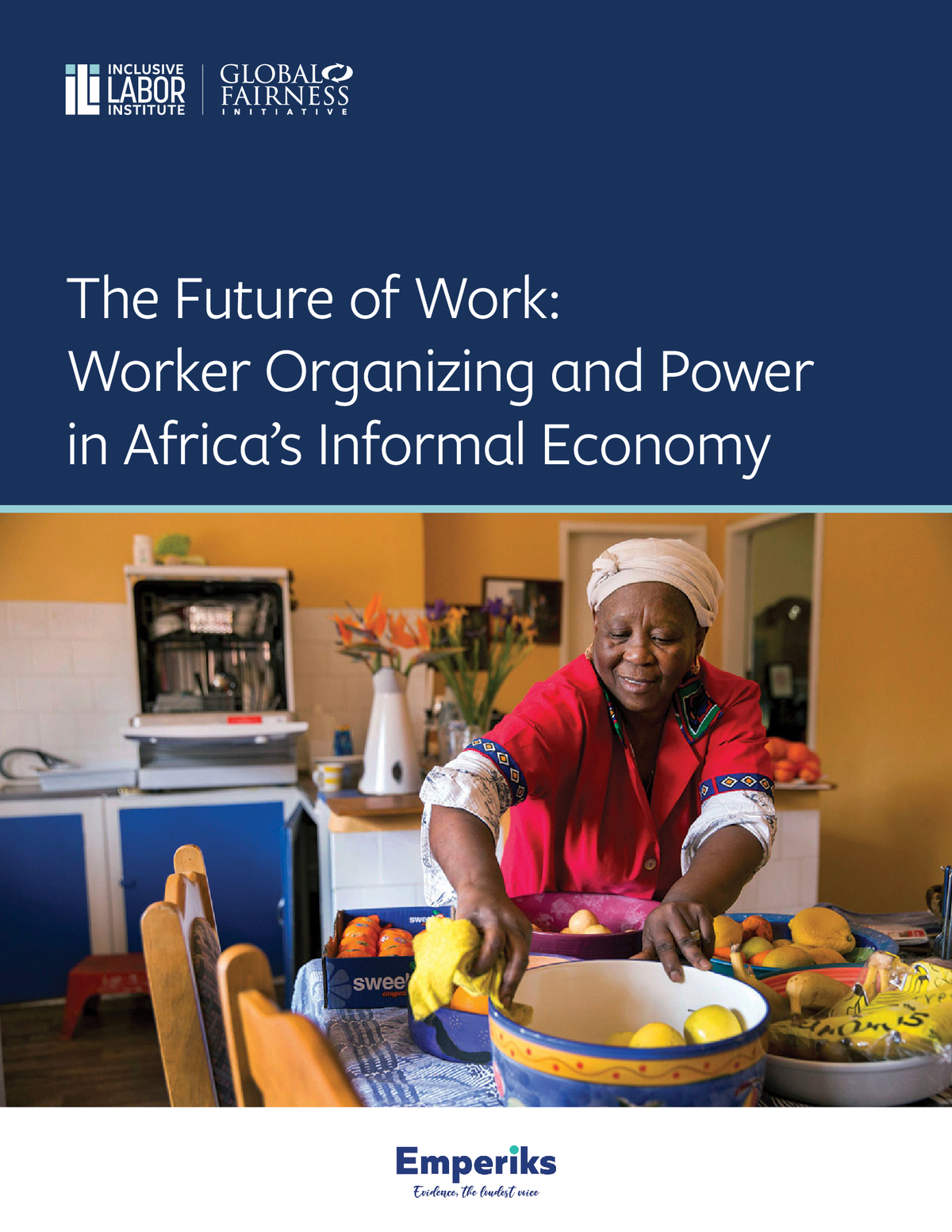
The Future of Work: Worker Organizing and Power in Africa's Informal Economy
Global Fairness Initiative
Data & evidence
Dashboards and visualisations bringing together key indicators for climate resilience.